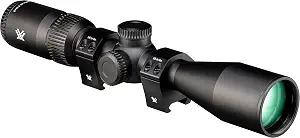
Vortex Triumph HD 3-9×40 Second Focal Plane, 1-inch Tube Riflescope Kit
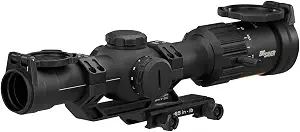
SIG SAUER Tango-MSR LPVO 1-6x24mm
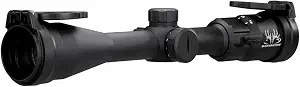
SIG SAUER Buckmasters 3-12x44mm Riflescope
Best Scope Buying Guide — Black Friday Deals 2026
What kind of view do you want from a riflescope, and which listed details actually help you decide? This Black Friday guide compares three options by magnification range, reticle description, objective lens and package details—not by an assumed discount or a universal winner. The SIG SAUER Tango-MSR LPVO is the editorial Best Overall, while the Vortex Triumph HD is Best Budget; those labels are shortlist cues, not test results or market-wide awards. The Buckmasters earns a distinct place for shoppers prioritizing a higher stated maximum magnification. Before choosing, decide what matters most to your setup, then check the exact Black Friday listing and variant.
Vortex Triumph HD 3-9×40 Second Focal Plane, 1-inch Tube Riflescope Kit
Check Price on Amazon
The Vortex Triumph HD is the Best Budget pick in this guide, an editorial label for its place among the listed choices rather than a claim about price or performance. Its stated magnification runs from 3x to 9x, paired with a 40-millimeter objective lens. That makes it a relevant candidate if you are comparing a scope whose listed range begins at 3x and whose maximum is 9x. Think about whether those endpoints match the kind of viewing range you have in mind. A higher or lower number alone cannot determine fit, and the product facts do not establish how it will perform in a particular setting.
Its reticle is identified as Dead-Hold BDC, and the tube is described as one inch. The listed dimensions are 11.8"L x 1.7"W x 1.87"H, with aluminum given as the material. Those specifics can help you compare product identity and physical details against your own requirements. The listing also names the included components: riflescope, 1" Hunter Rings – 0.90" Low Height, Custom Turret Tool, Neoprene Cover and Lens Cloth. Treat these as package details to verify, rather than assuming another offer or variant includes the same items.
For a Black Friday shortlist, this option may be especially worth examining if the 3x-to-9x range and Dead-Hold BDC description align with what you want to compare. The included rings and other named items may affect your package decision, but the available facts do not establish fit with any particular setup or the value of the bundle. Check the exact listing for the full model name, stated dimensions and package contents before comparing offers. The Best Budget label is an editorial category choice, not evidence of a discount, a lowest price or a tested advantage. Let the specific configuration—not the label alone—decide whether it belongs on your shortlist.
Key specs
| Magnification | Magnification Minimum 3 x |
| Maximum magnification | Magnification Maximum 9 x |
| Objective lens diameter | Objective Lens Diameter 40 millimeters |
| Reticle | Reticle Type Dead-Hold BDC |
| Dimensions | 11.8"L x 1.7"W x 1.87"H |
| Included components | Riflescope, 1" Hunter Rings – 0.90" Low Height, Custom Turret Tool, Neoprene Cover, Lens Cloth |
| Material | Aluminum |
SIG SAUER Tango-MSR LPVO 1-6x24mm
Best Overall is the SIG SAUER Tango-MSR LPVO, a useful starting point if you want the listed range to begin at one power and reach six power. Its 1-6x24mm description combines a 1x minimum magnification, a 6x maximum and a 24-millimeter objective lens. That range may appeal when you want to consider both the low and higher ends of a single scope’s stated magnification rather than beginning with a 3x minimum. Whether it suits your particular setup depends on your own priorities; the figures identify the product, not a guarantee about how it will look or perform in your circumstances.
The illuminated MSR BDC-6 reticle is a prominent point of difference, and the listing specifies 11X brightness levels. It also identifies the scope as Second Focal Plane/SFP/F2. Those details give you concrete items to compare if reticle type, illumination or focal-plane designation is part of your shortlist. Avoid treating a reticle name as a promise about a particular use: the provided description does not specify application results. During Black Friday, compare the exact product identity and the stated reticle details rather than assuming a similarly named offer has the same configuration.
This is the editorial Best Overall among these three because its 1-6x range and stated illuminated reticle give it a distinct mix of listed features for the comparison—not because it has been tested or shown to outperform the others. The package includes an Alpha-MSR Aluminum Mount and flip-back lens covers, which may matter if you are weighing included items as well as the scope itself. Aluminum is the stated construction material. Check that the exact Black Friday offer names this model and package, and consider whether the mount and covers are useful to your plans before assigning value to them. No sale price or promotion is assumed here.
Key specs
| Magnification | Magnification Minimum 1 x |
| Maximum magnification | Magnification Maximum 6 x |
| Objective lens | Objective Lens Diameter 24 millimeters |
| Reticle | Illuminated MSR BDC-6 Reticle |
| Focal plane | Second Focal Plane/SFP/F2 |
| Mount | Includes Alpha-MSR Aluminum Mount & Flip-Back Lens Covers |
| Reticle brightness | 11X brightness levels |
| Construction | Material Type Aluminum |
SIG SAUER Buckmasters 3-12x44mm Riflescope
Check Price on Amazon
The SIG SAUER Buckmasters is the Best for a higher stated maximum magnification in this guide. That label refers narrowly to the three options compared here: its listed range is 3-12x, with a 12x maximum. This is a useful distinction if the upper end of the stated range is a priority in your initial shortlist. The objective lens is 44mm, and the main tube diameter is one inch. These figures are product identifiers and comparison points; they do not, by themselves, establish how the scope will look in your own circumstances or whether it suits a particular setup.
The reticle is described as Hellfire Illuminated Buckmasters BDC. The listed field of view is 8.7 to 34.9 Feet at 100 Yards, identified as high/low. If field of view matters to you, preserve that stated context when comparing this listing with another; do not treat a lone figure as a complete description of what you will see. Lay-flat flip-back lens covers are included. The listing also says this scope is compatible with the Buckmasters 1500 Rangefinder, sold separately. That is the specific compatibility statement provided, not a reason to assume other accessories are included.
On Black Friday, consider this option if the 3-12x range, 44mm objective and reticle description line up with your priorities. Its higher stated maximum is the basis for the editorial label, not a claim of measured superiority. The separately sold rangefinder detail is worth noting if that particular product is relevant to your plans, but it is not part of the included lens-cover package described here. Verify the exact model, the stated field-of-view range and what the offer includes. The facts supplied do not establish a current promotion, so compare the live offer and its variant before making a purchase decision.
Key specs
| Magnification | Magnification: 3-12x |
| Objective lens | Objective Lens Diameter: 44mm |
| Tube diameter | Main Tube Diameter: 1 Inch |
| Reticle | Reticle: Hellfire Illuminated Buckmasters BDC |
| Field of view | Field Of View (High/Low): 8.7 to 34.9 Feet at 100 Yards |
| Lens covers | The lay-flat flip-back lens covers are included |
| Rangefinder compatibility | compatible with the Buckmasters 1500 Rangefinder (sold separately) |
First decide what the magnification range should do
Start the shortlist with the endpoints you would actually use, rather than choosing the largest maximum as a shortcut. The Tango-MSR is listed at 1-6x; the Triumph HD at 3-9x; and the Buckmasters at 3-12x. Those ranges make the basic distinction easy to see, but they do not tell you which one is right for your viewing preferences. Ask whether starting at 1x matters to you, whether a 3x minimum suits your intended use, and how important the stated upper end is. Keep the answers personal instead of treating one range as automatically better.
For example, a shopper drawn to the low end of a range can first compare the Tango-MSR’s 1x minimum with the 3x minimums on the other two. Someone whose priority is the maximum listed magnification can note the Buckmasters’ 12x figure. The Triumph HD sits between those listed maximums at 9x. These are straightforward product comparisons, not claims about field performance or suitability for a particular activity. During Black Friday, write down the relevant endpoints before looking at banners or offer language; that makes it easier to keep the choice tied to your needs instead of an assumed deal.
Give the reticle and focal-plane wording a role
Reticle descriptions are useful identifiers, but names alone do not establish how a reticle will work for a particular person or situation. The Triumph HD lists Dead-Hold BDC. The Tango-MSR lists an illuminated MSR BDC-6 reticle and specifies Second Focal Plane/SFP/F2, plus 11X brightness levels. The Buckmasters lists Hellfire Illuminated Buckmasters BDC. If you already have a preference, compare those exact descriptions and note which details are explicitly supplied. Do not fill gaps with assumptions about reticle behavior or outcomes.
A practical shortlist can have one line for the reticle name and another for any separately stated detail, such as illumination or focal plane. That keeps the Tango-MSR’s stated illumination and focal-plane designation distinct from the other listings’ reticle descriptions. It also helps you avoid treating different BDC names as interchangeable. For Black Friday, confirm the exact model and reticle wording on the offer you are considering. If a listing leaves a detail unclear, use that uncertainty as a reason to verify the variant—not as permission to infer a feature.
Read lens and field-of-view figures in their own context
Objective-lens figures offer another way to distinguish these products: 24 millimeters for the Tango-MSR, 40 millimeters for the Triumph HD and 44mm for the Buckmasters. These numbers are provided specifications, not standalone measures of which scope will be best for you. Compare them as part of the complete model description, alongside the magnification range and your priorities. The Buckmasters also provides a field-of-view figure: 8.7 to 34.9 Feet at 100 Yards, marked high/low. Keep the unit and stated context attached if you make a comparison.
Avoid turning a single lens or field-of-view number into a performance promise. The available product facts do not give a basis for predicting your view in a particular setting. Instead, decide whether these figures are important enough to narrow your choices, then check that the exact Black Friday listing matches the details you noted. This approach is especially useful when offer pages use abbreviated names: compare the full model identity and the relevant listed specifications, not just a headline or product image.
Treat the box contents as part of the choice
Included items can influence which package deserves a closer look, provided you compare what is actually named. The Tango-MSR includes an Alpha-MSR Aluminum Mount and flip-back lens covers. The Triumph HD package lists 1" Hunter Rings – 0.90" Low Height, a Custom Turret Tool, a Neoprene Cover and a Lens Cloth, along with the riflescope. The Buckmasters includes lay-flat flip-back lens covers. Those are different package descriptions, so record the contents that matter to you instead of assuming one bundle has items listed for another.
Ask whether a named accessory is relevant to your plans, and verify that the exact offer includes it. The Buckmasters listing separately says it is compatible with the Buckmasters 1500 Rangefinder, sold separately; that should not be mistaken for an included rangefinder. Similarly, listed mounts or rings do not establish fit with a setup not described in the facts. Black Friday bundles and variants can be easy to confuse, so compare the exact listing’s product name and package contents before treating accessories as added value.
Make the final check about identity, fit and offer terms
Once your shortlist is down to a product or two, check identity before weighing the offer. Match the full model name to the version you intended to compare, then revisit the magnification range, reticle wording, objective lens and any package details that influenced your choice. If dimensions or tube information matter to your own setup, the Triumph HD lists 11.8"L x 1.7"W x 1.87"H and a one-inch tube; the Buckmasters lists a one-inch main tube. Do not assume these facts establish compatibility with equipment not specified here.
For a Black Friday purchase, compare the exact offer and variant you see, rather than presuming a banner guarantees a promotion or that another listing has identical contents. Confirm any details important to your decision directly on that offer, including included accessories and the product identity. The labels in this guide help organize the three choices: Best Overall, Best Budget and Best for a higher stated maximum magnification. They are editorial distinctions, not test findings. Your own priority list should make the final call.
Make your Black Friday choice
A sound shortlist starts with fit, moves to useful extras, and ends with a careful listing check. Compare the three stated magnification ranges, decide which reticle details matter to you, and weigh only the accessories named for the exact package. Then confirm model identity and offer variant during Black Friday; no promotion or discount is assumed by this guide. The Tango-MSR, Triumph HD and Buckmasters each have different listed details, so the right choice depends on what you prioritize. Before deciding, use your own checklist: range, reticle, lens figures, package contents and any setup requirements you need to verify.