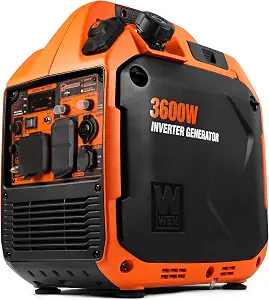
WEN Quiet and Lightweight 3600-Watt Dual Fuel RV-Ready Portable Inverter Generator with Fuel Shut Off and CO Watchdog (DF360iX)
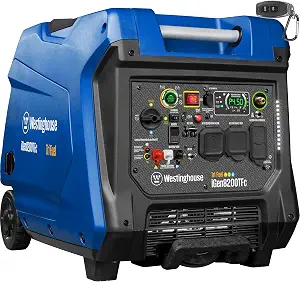
Westinghouse 8200 Peak Watt Tri-Fuel Portable Inverter Generator
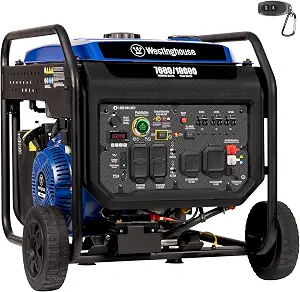
Westinghouse 10000 Peak Watt Portable Open Frame Inverter Generator, Remote Electric Start with Auto Choke, Transfer Switch Ready, Gas Powered, CO Sensor
Best Inverter Generator Buying Guide — Black Friday Deals 2026
An inverter generator shortlist should start with the equipment you intend to power, then narrow by fuel, connections, and operating preferences. The three choices here cover different priorities: dual-fuel portability, tri-fuel output, and remote starting with an open-frame design. Their specifications are not interchangeable, so compare the exact model and fuel configuration rather than relying on a broad category label. During Black Friday, treat a banner or promotion as a reason to check the listing—not as proof that a generator suits your setup. First establish your requirements; then compare the listed product details and the exact offer.
WEN Quiet and Lightweight 3600-Watt Dual Fuel RV-Ready Portable Inverter Generator with Fuel Shut Off and CO Watchdog (DF360iX)
Check Price on Amazon
Choose this WEN when a compact, dual-fuel inverter-generator option and RV-oriented outlet are central to your shortlist. It earns the Best Budget label here as an editorial fit, not as a statement about current price or a tested ranking. Its listed weight is 49 pounds, and its dimensions are 18"L x 11.63"W x 19.68"H. Those measurements give you concrete information to consider for storage and handling, though your own route, storage space, and lifting needs still matter.
Output depends on the fuel: gasoline is listed at 3600 surge watts and 2900 rated watts, while propane is listed at 3500 surge watts and 2600 rated watts. Use the figures for the fuel you expect to run and compare them with the requirements of the devices you intend to connect. The listing describes clean power intended to help prevent damage to sensitive electronics such as smartphones, tablets, and laptops. It also includes two three-prong 120V receptacles, one TT-30R RV receptacle, one 12V DC receptacle, and two 5V USB ports.
For RV use, check that the TT-30R connection fits your actual plan; the presence of that receptacle does not establish that every RV setup is suitable. On Black Friday, compare the exact DF360iX listing and confirm that the specifications shown belong to the model you mean to buy. The WEN Watchdog CO Shutdown Sensor is described as automatically turning off the generator if dangerous carbon monoxide levels are detected. Fuel shut-off is also listed to help limit maintenance. Treat these as useful stated features, not a substitute for checking the complete product instructions and your intended use.
Key specs
| Fuel and output | Dual-fuel design runs on both gasoline (3600 surge watts, 2900 rated watts) and propane (3500 surge watts, 2600 rated watts) |
| Power quality | Produces clean power to prevent damage to sensitive electronics such as smartphones, tablets and laptops |
| CO shutdown | The WEN Watchdog CO Shutdown Sensor helps protect both you and your family by automatically turning off the generator if dangerous levels of carbon monoxide are detected |
| Fuel shut-off | fuel shut-off to help limit maintenance |
| Outlets | two three-prong 120V receptacles, one TT-30R RV receptacle, one 12V DC receptacle, two 5V USB ports |
| Weight | 49 pounds |
| Dimensions | 18"L x 11.63"W x 19.68"H |
Westinghouse 8200 Peak Watt Tri-Fuel Portable Inverter Generator
Check Price on Amazon
For a shopper who wants multiple fuel choices alongside substantial listed output, this Westinghouse is the Best Overall pick among these three. Its tri-fuel design specifies gasoline output of 6600 running/8200 peak watts, propane output of 5940 running/7380 peak watts, and natural gas output of 5280 running/6560 peak watts. Those figures make fuel choice part of the comparison, not a detail to leave until checkout. Match the output for the fuel you expect to use against the equipment’s requirements; do not assume the gasoline figures apply when using another fuel.
The practical appeal is flexibility across gasoline, propane, and natural gas, provided the fuel you plan to use is available for your situation. Its 120/240V 14–50R 50A outlet is identified for home backup, so shoppers considering that kind of connection can check whether it fits their intended setup. The listed 298 cc Westinghouse 4-stroke OHV engine has a cast iron sleeve. These details help define what is being offered, but do not by themselves determine whether the generator will meet a particular household’s needs.
Before choosing this as your Black Friday purchase, check the listing’s exact model and fuel-specific output, then compare those details with a written load list. Consider which fuel you can reliably supply and what connection your equipment actually requires. The Best Overall label is an editorial choice within this selection, based on the stated tri-fuel options and output information; it is not a claim of measured superiority or a market-wide award. If the offer shows a different configuration, reassess that configuration rather than carrying over assumptions from this listing.
Key specs
| Gasoline output | Gasoline: 6600 running/8200 peak watts |
| Propane output | Propane: 5940 running/7380 peak watts |
| Natural gas output | Natural Gas: 5280 running/6560 peak watts |
| Home backup outlet | One 120/240V 14–50R 50A outlet for home backup |
| Engine | 298 cc Westinghouse 4-stroke OHV engine with a cast iron sleeve |
Westinghouse 10000 Peak Watt Portable Open Frame Inverter Generator, Remote Electric Start with Auto Choke, Transfer Switch Ready, Gas Powered, CO Sensor
Check Price on Amazon
If remote starting is high on your priority list, this Westinghouse is the Best for Remote Starting choice in this guide. Its listed starting methods include a remote electric start with an included key fob, push button, and recoil start. The listing also specifies a 420cc Westinghouse 4-stroke OHV engine. These features give shoppers concrete points to compare, especially when deciding which starting method they want to have available. The label reflects that stated starting feature; it does not imply a measured performance advantage.
This is a gas-powered open-frame inverter generator, with a stated runtime of up to 12 Hours on a 5.28 Gallon fuel tank with fuel gauge. The word “up to” matters: treat the listing figure as a stated maximum, not a promise of runtime under your particular load. Its VFT display provides real-time updates with voltage output, frequency, and lifetime hours. If those readings are useful to your plan, include them when comparing what the listing offers, rather than assuming the display answers every monitoring question.
The outlet selection includes four GFCI 120V 5–20R standard household outlets, one transfer-switch-ready 120V L14-30R outlet, and one transfer-switch-ready 120/240V 14–50R outlet. Check each connection against the equipment and setup you actually intend to use; “transfer switch ready” is not the same as confirming that a particular installation is appropriate. During Black Friday, verify the model and the complete listing before comparing the offer with another generator. This product is a meaningful alternative for someone who values several starting methods and the listed display, but its fuel, outlet, and load details still need to fit the plan.
Key specs
| Runtime and fuel tank | Up to 12 Hours of Run Time on a 5.28 Gallon Fuel Tank With Fuel Gauge |
| Starting | Remote Electric Start With Included Key Fob, Push Button and Recoil Start |
| Outlets | Features Four GFCI 120V 5–20R Standard Household Outlets, One Transfer Switch Ready 120V L14-30R Outlet, and One Transfer Switch Ready 120/240V 14–50R Outlet |
| Engine | 420cc Westinghouse 4-Stroke OHV Engine |
| Display | VFT display gives you real time updates with the voltage output, frequency, and lifetime hours |
Build the shortlist around the job
Begin with the devices or equipment you expect to run. Write down their operating requirements and any startup demands supplied by their manufacturers, then consider which items must operate together. Compare that plan with the generator’s rated output and relevant fuel-specific figures; peak output alone is not a complete description of capacity for ongoing use. For the tri-fuel Westinghouse, the listed output changes by fuel, so make the comparison using the fuel you expect to supply. The WEN also has different stated output figures for gasoline and propane. The open-frame Westinghouse lists a runtime figure, but that does not replace matching its output to your loads.
Next, decide whether your use points toward portable, RV-oriented, or home-backup connections. Do not choose by the broad term “inverter” alone: these models list different receptacles and intended connection details. Black Friday can make it tempting to start with an offer and work backward. Instead, use your load and connection plan to rule out configurations that do not fit, then compare the remaining exact models. If your requirements are unclear, consult the appliance documentation and a qualified professional where appropriate before making a purchase.
Fuel options need a real supply plan
More fuel choices are valuable only if they match what you can use and obtain. The Westinghouse tri-fuel model lists gasoline, propane, and natural gas output; compare the figure corresponding to your intended fuel, not simply the largest number shown. The WEN offers gasoline and propane, with separate output figures for each. The other Westinghouse is listed as gas powered and provides a fuel-tank and runtime description. These distinctions help you sort the shortlist, but they do not establish fuel availability, operating cost, or runtime for your circumstances.
Think through where your planned fuel comes from, how you expect to store or access it, and whether the product listing gives the information you need. Do not infer an unlisted runtime or fuel capability from a model’s category. For Black Friday comparisons, check that the exact product variant in the offer has the fuel system you intend to buy. A lower-looking offer is not a useful comparison if it refers to a different model or configuration. Make the fuel decision before treating any promotional wording as relevant.
Connections shape the useful choice
List the plugs and connection types required by your planned equipment, then compare them with the receptacles listed for each model. The WEN includes a TT-30R RV receptacle, 120V receptacles, a 12V DC receptacle, and USB ports. The tri-fuel Westinghouse lists a 120/240V 14–50R 50A outlet identified for home backup. The open-frame model lists household GFCI outlets along with transfer-switch-ready outlets. Those descriptions are useful checkpoints, not blanket confirmation that a generator will connect to every RV, appliance, or home setup.
Check the exact outlet designation and your equipment documentation before choosing adapters or assuming a connection will work. If home backup is your goal, confirm the requirements for the intended installation and seek qualified guidance where needed. Black Friday listing pages may foreground a headline feature, so look for the outlet details on the exact model page before deciding. Compare what is explicitly listed with your plan and pause if an essential connection remains uncertain. The right outlet selection is a matter of fit, not simply the number of receptacles.
Separate useful features from must-haves
After output, fuel, and connections, compare the operating details that matter to you. The WEN lists a 49-pound weight and specific dimensions, alongside fuel shut-off and a CO shutdown sensor. The open-frame Westinghouse includes remote, push-button, and recoil starting, plus a VFT display with voltage output, frequency, and lifetime hours. The tri-fuel model specifies a 298 cc engine with a cast iron sleeve. Each detail can help distinguish the choices, but decide whether it addresses a real need instead of treating every added feature as essential.
Safety-related listing language deserves careful reading. The WEN’s CO Watchdog sensor is described as shutting the generator off if dangerous carbon monoxide levels are detected. Understand the stated function, read the complete instructions, and do not treat a sensor as a reason to disregard safe operation. Maintenance-related wording should also be kept in context: the WEN’s fuel shut-off is described as helping limit maintenance, not eliminating it. When comparing Black Friday offers, verify that the feature you care about belongs to the exact model shown.
Check the offer after the fit
Once a model meets your practical requirements, inspect the offer itself. Confirm the model identifier, fuel configuration, stated output, outlet list, and included features on the page for the item you intend to purchase. Do not assume that a similar product name means the same specifications, or that promotional language establishes a particular discount. The available product records provide no sale price, so compare the actual offer presented to you rather than relying on an assumed deal. If a detail is missing or inconsistent, seek clarification before deciding.
A useful Black Friday comparison holds the configuration constant: compare the same model and fuel setup, then weigh the features that matter to your plan. Keep your written load and connection checklist nearby so an eye-catching offer does not distract from a basic mismatch. Check any current listing details that affect your decision directly on that offer. The goal is not to buy the generator with the longest feature list; it is to identify a clearly specified option that suits your intended use and that you can verify before completing the purchase.
Make your Black Friday choice
A sound shortlist moves from essential fit to useful extras, then to the exact listing. Start with the loads and connections you need, compare fuel-specific output and practical operating details, and verify the model before weighing a Black Friday offer. The tri-fuel Westinghouse foregrounds fuel flexibility and listed output; the WEN combines dual-fuel operation, an RV receptacle, and stated portability details; the open-frame Westinghouse emphasizes several starting methods and monitoring information. These are different decision paths, not universal winners. Choose only after the specifications and offer match the setup you actually intend to use.