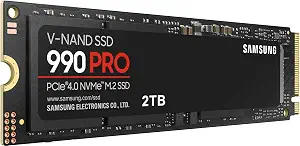
Samsung SSD 990 PRO 2TB
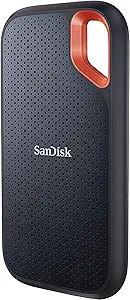
SANDISK 2TB Extreme Portable SSD
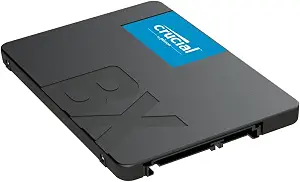
Crucial BX500 2TB 3D NAND SATA 2.5-Inch Internal SSD
Best 2Tb Ssd Buying Guide — Black Friday Deals 2026
A 2 TB SSD can serve very different roles: a fitted drive inside a computer, an upgrade for a compatible SATA bay, or a portable place for files between devices. Start by deciding where the storage will live and how you will connect it; capacity alone does not tell you whether a drive fits your setup. This shortlist includes an M.2 PCIe model, a 2.5-inch SATA drive, and a USB portable SSD, each with a different set of useful details. Treat Black Friday as a chance to compare the exact product and configuration you intend to buy, not as a reason to skip compatibility checks. The best choice is the one whose form and features suit your everyday file routine.
Samsung SSD 990 PRO 2TB
Best Overall is the editorial pick for shoppers looking for an internal M.2 drive with a stated PCIe x4 interface and a high listed speed ceiling. The Samsung SSD 990 PRO has 2 TB of capacity, an M.2 2280 form factor, and read and write speeds up to 7450/6900 MB/s. Those details make it a candidate to investigate when planning storage for a desktop or laptop, or for a Sony PlayStation 5. The stated compatible-device list covers desktop and laptop use, while the console listing specifically names Sony PlayStation 5. Confirm your own device’s requirements before choosing it; the model name and capacity alone do not establish physical or interface fit.
Imagine sorting a computer upgrade shortlist: first check that the system accepts an M.2 2280 drive and the listed PCIe x4 interface, then decide whether the listed speed ceiling matters to your work or play. The product gives a clear speed figure to compare, but it is an up-to figure, not a promise that every setup will reach it. Check the device documentation for the slot and requirements rather than assuming all internal SSD slots are alike. If the drive is intended for a PS5, verify the console’s requirements and installation details separately before committing.
For a Black Friday decision, Best Overall is a useful shorthand for this particular internal-drive role, not proof of measured superiority over every SSD. Compare the exact model and variant in the offer with the Samsung SSD 990 PRO 2TB name, M.2 2280 size, PCIe x4 interface, and listed compatibility. Avoid letting a headline speed figure substitute for fit: the computer or console must support the drive, and the listed maximum is only one consideration. If your plan instead calls for a USB drive to carry files or a 2.5-inch SATA upgrade, this internal M.2 model serves a different purpose. Choose it when its form and connection match the destination you have in mind.
Key specs
| Storage capacity | 2 TB |
| Interface | PCIE x 4 |
| Form factor | M.2 2280 |
| Read and write speeds | read and write speeds up to 7450/6900 MB/s |
| Compatible devices | Desktop, Laptop |
| Compatible console | Sony PlayStation 5 |
SANDISK 2TB Extreme Portable SSD
Check Price on Amazon
Best for Portable File Management is the editorial label for the SANDISK 2TB Extreme Portable SSD, a distinct choice when you want 2 TB of storage in a portable drive rather than an internal component. Its listed interface is USB 3.2 Gen 2, and its stated speeds are up to 1050MB/s read and 1000MB/s write. Those are useful figures to weigh alongside your device’s supported connection and the way you plan to move files. The model also lists up to 3-meter drop protection and IP65 water and dust resistance, plus 256‐bit AES hardware encryption and the SanDisk Memory Zone app.
Consider a routine where files travel between workspaces: portable storage can make the handoff itself part of the decision. Protection claims may be relevant if a drive is carried around, while the encryption feature may matter when you want hardware encryption as part of your file-storage plan. The app is specifically identified as SanDisk Memory Zone; consider whether that file-management option suits the way you organize and access files. These features do not replace checking how the drive connects to the devices you intend to use. Confirm that the USB 3.2 Gen 2 interface fits your use case, and treat the speed figures as up-to claims rather than guaranteed results in every setup.
During Black Friday shopping, this product’s particular combination of portability-related protection, encryption, and a named file-management app can help you decide whether it belongs on your shortlist. Verify that the offer is for the 2TB Extreme Portable SSD and compare the exact variant and listed interface. Do not assume that a similar product name means the same set of features. The drive’s protection details are stated as up to 3-meter drop protection and IP65 water and dust resistance; keep those qualifications intact when deciding whether they match your handling habits. Its portable role sets it apart from both internal drives here, so select it when moving and managing files is central to the plan, not simply because all three products share the same capacity.
Key specs
| Capacity | 2 TB |
| Interface | USB 3.2 Gen 2 |
| Read and write speeds | up to 1050MB/s read and 1000MB/s write speeds |
| Drop and water/dust protection | Up to 3-meter drop protection and IP65 water and dust resistance |
| Hardware encryption | 256‐bit AES hardware encryption |
| File management app | SanDisk Memory Zone app |
Crucial BX500 2TB 3D NAND SATA 2.5-Inch Internal SSD
Check Price on Amazon
Best Budget is the editorial label for the Crucial BX500 2TB 3D NAND SATA 2.5-Inch Internal SSD. It is an internal 2.5-inch drive with a SATA 6 GB/s interface, a listed read speed of 540 megabytes_per_second, and compatibility with desktops and laptops that accept 2.5" 7mm SATA drives. That compatibility wording is especially useful at the start of a shortlist: check the target computer’s bay and drive requirements before comparing offers. The 2 TB capacity may suit a plan to add internal storage, but the connection and physical fit determine whether this particular form is appropriate.
Picture a storage upgrade for a desktop or laptop with a compatible 2.5" 7mm SATA space. The BX500’s 2.5-inch form factor and SATA interface identify the type of installation to investigate, while its read-speed figure offers a stated point of comparison. The supplied information gives a read speed, not a write-speed figure, so avoid treating it as a complete account of every performance characteristic. Its listed dimensions are 3.95"L x 2.75"W x 0.27"Th; the device’s fit and requirements are still worth confirming rather than assuming from the general category.
For Black Friday, Best Budget describes an editorial choice among these featured products, not a guarantee that the model has the lowest price or a particular discount. Check the exact BX500 model and its 2 TB capacity in the listing, then match its 2.5-inch SATA format to your intended computer. A low offer would not make it the right choice for a device that instead needs an M.2 PCIe drive or for a routine centered on portable file transfers. Conversely, if your system accepts the specified SATA drive and you want an internal 2 TB option, the form factor and compatibility details give you a practical basis for deciding whether it belongs in your comparison.
Key specs
| Capacity | 2 TB |
| Interface | SATA 6 GB/s |
| Form factor | 2.5-inch |
| Read speed | 540 megabytes_per_second |
| Compatibility | This drive is compatible with desktops and laptops that accept 2.5" 7mm SATA drives |
| Dimensions | 3.95"L x 2.75"W x 0.27"Th |
Start with the upgrade destination, not the capacity
Before opening Black Friday listings, identify where the SSD is supposed to go. An internal drive and a portable drive solve different storage problems, even when both offer 2 TB. The Samsung is an M.2 2280 drive with a PCIe x4 interface; the Crucial is a 2.5-inch SATA drive; the SanDisk is a portable SSD with USB 3.2 Gen 2. Those connection and form details are the first filter, not minor distinctions to leave until checkout.
For a computer upgrade, find the device’s supported drive type and physical fit in its documentation. The Crucial listing specifies compatibility with desktops and laptops that accept 2.5" 7mm SATA drives. The Samsung is listed for desktops and laptops, with an M.2 2280 form factor and PCIe x4 interface. For a console plan, the Samsung listing names Sony PlayStation 5, but checking the console’s requirements remains important. If you want files that can travel, assess the SanDisk’s USB interface against the devices you plan to use.
Make the destination decision before comparing any Black Friday offer. That prevents a compelling-looking capacity or speed figure from distracting you from the basic question: can this particular drive serve the intended device and role? Write down the connection and form factor you need, then compare only products that match.
Use speed claims as context, not a promise
The listed speed figures differ, but the connection type and the qualification attached to each figure matter. Samsung states read and write speeds up to 7450/6900 MB/s. SanDisk lists up to 1050MB/s read and 1000MB/s write through USB 3.2 Gen 2. Crucial provides a read speed of 540 megabytes_per_second. These figures are presented in the products’ own terms; do not treat them as a direct guarantee of what a particular computer or task will achieve.
Start by asking whether the speed detail is relevant to your routine. If you are planning an internal upgrade, first verify the slot and interface your device supports. For a portable drive, the USB connection your devices can use is part of the decision. A headline number cannot compensate for a mismatch between the drive and the destination. Also keep the figures’ qualifications intact: “up to” marks the Samsung and SanDisk speeds, while the Crucial information supplied here is specifically a read-speed figure.
Black Friday comparisons can make numbers especially prominent, so compare the exact product and its stated interface as well as its speed. Avoid choosing solely by the largest-looking figure, or assuming that one listing’s read and write details tell you everything about another model. Instead, use the published figures as one piece of a fit-first decision.
Decide whether the drive should travel
A drive that stays inside a compatible computer has a different job from one intended to move between places. If portability is essential, the SANDISK 2TB Extreme Portable SSD is the listed portable option. It combines a USB 3.2 Gen 2 interface with up to 3-meter drop protection and IP65 water and dust resistance. Those are specific product claims to consider when thinking about how you handle and transport files; they do not remove the need to care for the drive or check its connection against your devices.
The SanDisk also lists 256‐bit AES hardware encryption and the SanDisk Memory Zone app. Ask whether those named features match your file-management routine. If you need an internal upgrade instead, compare the Samsung’s M.2 form and PCIe interface or the Crucial’s 2.5-inch SATA format against the intended system. Neither internal option should be selected simply because the portable model has features you may not need.
When browsing Black Friday offers, treat portability as a role, not a vague bonus. Identify whether files need to move with you, stay within a computer, or support a console plan. Then compare the exact listing for the relevant interface and features. This simple separation helps prevent a portable drive and an internal upgrade from being judged as interchangeable products.
Give 2 TB a realistic place in your file routine
Each product here has 2 TB of capacity, so capacity alone will not separate the shortlist. Think about what you plan to store and where you want those files available. An internal drive might be part of a desktop or laptop upgrade, while a portable SSD can serve a file handoff or storage routine outside the computer. The Samsung’s listing also names Sony PlayStation 5 as a compatible console. These use cases point toward different product forms, even with the same stated capacity.
Consider your workflow in stages: where files begin, where they need to be accessible, and whether the drive should remain installed or travel. For an internal choice, device compatibility and the listed connection are central. For portable file management, USB connection, protection claims, encryption, and the named app may help narrow the decision. Capacity is then a planning detail within a role that already makes sense.
As Black Friday listings appear, keep that role visible beside the product name. Do not infer that a 2 TB label makes every model suitable for the same device or purpose. Compare the exact model and variant, and check whether the listing preserves the capacity and interface you intended to consider. That gives the shared capacity useful context instead of letting it dominate the decision.
Make the Black Friday listing match your shortlist
Once you know the drive type and features you want, verify the precise product in the offer. Match the model name, capacity, form factor, and interface against the details that led you to shortlist it. For Samsung, that means checking for the SSD 990 PRO 2TB with M.2 2280 and PCIe x4 details. For Crucial, look for the BX500 2TB 2.5-inch SATA drive. For SanDisk, confirm the 2TB Extreme Portable SSD and USB 3.2 Gen 2 interface.
A Black Friday label by itself does not establish that an offer is active, that a particular variant is included, or that it is the right fit. Compare the exact configuration shown with your intended use, and read the listing carefully before deciding. Keep distinguishing product facts from assumptions: the Crucial details supplied here state a read speed, for example, while the Samsung and SanDisk speed claims include “up to.”
Finish with a device check. Confirm the appropriate slot or connection using your computer or console documentation, then decide whether the relevant product features justify your choice. If the listing does not clearly match the model and configuration you meant to buy, pause rather than substituting a similar name. This final verification is more useful than chasing a headline without knowing what is actually offered.
Make your Black Friday choice
Choose the drive by following the job from start to finish: establish the destination, check the interface and physical fit, then weigh the features that suit your routine. The Samsung offers an internal M.2 PCIe option, the Crucial a 2.5-inch SATA option, and the SanDisk a portable USB drive with listed protection, encryption, and file-management features. For Black Friday, compare the exact model and variant rather than assuming every 2 TB SSD fits the same purpose. A careful fit check turns a broad shortlist into a more confident choice.