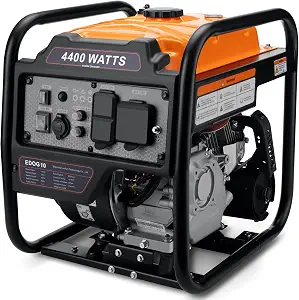
Power Equipment 4400 Watts Inverter Generator Gas Powered
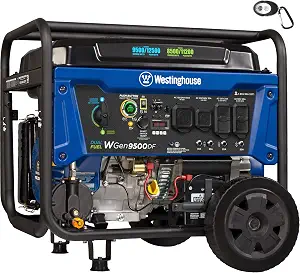
Westinghouse 12500 Watt Dual Fuel Home Backup Portable Generator, Remote Electric Start, Transfer Switch Ready, Gas and Propane Powered
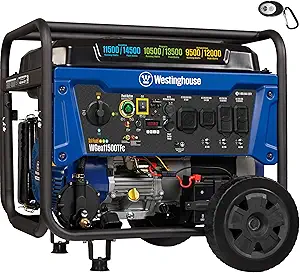
Westinghouse 14500 Peak Watt Tri-Fuel Home Backup Portable Generator
Best Generator Buying Guide — Black Friday Deals 2026
A generator shortlist should begin with the equipment you intend to run, then narrow by fuel, connections and the practical details of placing and operating the unit. The three options here serve different planning priorities: a gasoline inverter generator, a dual-fuel model with remote starting, and a tri-fuel generator. Their output figures and outlet arrangements are not interchangeable, so compare them against your own equipment labels and connection plan rather than choosing by a headline wattage. During Black Friday, treat each listing as a specific offer to verify: confirm the model and configuration, then decide whether its documented features fit the job you have in mind.
Power Equipment 4400 Watts Inverter Generator Gas Powered
Check Price on Amazon
For a plan centered on a more compact generator, the Power Equipment 4400 Watts Inverter Generator is the Best Budget pick among these three listings. That is an editorial distinction within this selection, not a claim that it is the cheapest offer or a measured winner. Its gasoline engine provides 4400 peak watts and 3400 running watts. Those two figures give shoppers a useful starting point, but the right question is whether the running output works for the equipment they expect to use together. Write down each item’s power needs and decide which will run at the same time before comparing it with the generator’s output.
The outlet mix helps shape that plan: it has two 120V AC ports, one 12V DC port and one RV port. Trace each intended connection to the outlet it requires, and verify that the actual plugs and any required connection equipment match. A recreational-vehicle setup may make the RV port relevant; a household or small equipment plan may call for the AC ports instead. The provided details do not specify the RV port’s rating, so check the exact listing and connection requirements rather than assuming a particular capacity. The two-gallon fuel tank is another concrete planning detail. Consider where gasoline would be stored and how often you would want to replenish it for your intended use; no runtime figure is provided here.
At 56 pounds, this is the lightest stated weight among the featured options, a useful fact to consider when thinking through storage and moving the generator to its operating location. Its listed noise level is under 72 dBA from 23FT away. Keep that distance qualification attached when evaluating placement; it is not a general promise about noise in every setting. During Black Friday, compare the precise model and included configuration in the listing, not just the words “4400 Watts” in a headline. This generator may make sense for shoppers who want its stated gasoline output and outlet mix, but the load list, fuel routine and connection path should decide whether it belongs on the shortlist.
Key specs
| Power output | 4400 peak watts and 3400 running watts |
| Fuel | Gasoline |
| Outlets | 2*120V AC ports, 1*12V DC port, 1*RV port |
| Fuel tank | 2 gallon fuel tank |
| Noise level | Under 72 dBA from 23FT away |
| Weight | 56 pounds |
Westinghouse 12500 Watt Dual Fuel Home Backup Portable Generator, Remote Electric Start, Transfer Switch Ready, Gas and Propane Powered
Check Price on Amazon
The Westinghouse 12500 Watt Dual Fuel Home Backup Portable Generator earns the Best Overall label among these listed choices because its documented package brings together two fuel options, substantial stated output, several outlet types and multiple starting methods. The label is an editorial selection within this group, not a tested ranking or a guarantee that it suits every home. On gasoline, the generator supplies 9500 running watts and 12500 peak watts; on propane, it supplies 8500 running watts and 11200 peak watts. Use the figures for the fuel you actually expect to use, and compare running demand—not only a peak figure—with the equipment you plan to operate.
The gasoline and propane choices make fuel planning part of the decision. Ask which supply you can reliably have available and store appropriately, then consider whether switching between those options would be useful in your circumstances. The 6.6-gallon tank and stated runtime of up to 12 hours provide details for thinking about a gasoline operating interval, but the listing information here does not specify the conditions for that runtime. Do not treat it as a guaranteed duration for every load. A written list of intended equipment, fuel preference and replenishment plan makes a more useful comparison than assuming one fuel arrangement will fit everyone.
Starting choices are another practical feature: the model offers remote start with an included key fob, electric start and recoil start. Consider which method matters for the location and routine you have in mind. Its outlets include two GFCI 120V 5–20R 20A standard household receptacles, a transfer-switch-ready 120V L14-30R 30A outlet and an RV-ready 120/240V 14–50R 50A outlet. Match the exact outlet and connection path to your planned equipment or home-backup arrangement; transfer-switch readiness does not by itself establish that your setup is complete. The heavy-duty 457cc Westinghouse 4-stroke OHV engine is listed with a cast iron sleeve, automatic low oil shutdown and digital hour meter. For Black Friday, verify this exact model and configuration, then weigh those documented features against your load and connection plan.
Key specs
| Power output | 9500 Running Watts and 12500 Peak Watts (Gasoline); 8500 Running Watts, 11200 Peak Watts (Propane) |
| Starting | Remote Start with Included Key Fob, Electric and Recoil Start |
| Runtime | Up to 12 Hours of Run Time |
| Fuel tank | Tank Volume 6.6 gallons |
| Outlets | Two GFCI 120V 5–20R 20A Standard Household Receptacle, One Transfer Switch Ready 120V L14-30R 30A, and One RV Ready 120/240V 14–50R 50A |
| Engine | Heavy Duty 457cc Westinghouse 4-Stroke OHV Engine Featuring a Long-Lasting Cast Iron Sleeve with Automatic Low Oil Shutdown and Digital Hour Meter |
Westinghouse 14500 Peak Watt Tri-Fuel Home Backup Portable Generator
Check Price on Amazon
If fuel choice is the first filter in your shortlist, the Westinghouse 14500 Peak Watt Tri-Fuel Home Backup Portable Generator is the Best for Fuel Flexibility option among these products. That label refers to its stated fuel types, not to a tested advantage or universal fit. It can use gasoline, liquefied petroleum gas or natural gas. Before choosing it, think through which supply is realistically available for your planned use and what connections or arrangements your setup requires. A list of three fuel types is most useful when at least one of those choices fits your circumstances; it is not a substitute for checking the actual supply and setup.
The provided output specification is for gasoline: 11,500 running watts and 14,500 peak watts. Do not transfer those figures to liquefied petroleum gas or natural gas, since output figures for those fuels are not included in the supplied details. Start with the labels on the equipment you expect to run, consider which items need to operate at the same time, and confirm the relevant output information for the fuel configuration you plan to use. That step keeps the fuel-flexibility appeal separate from assumptions about capacity on each fuel.
For home-backup planning, the product information identifies 50A and 30A outlets and says they pair well with an interlock kit, manual transfer switch or Westinghouse WATS200 ATS system, each sold separately. Treat those as possible connection paths to investigate, not as equipment included with the generator. Check what your intended setup requires before selecting a route. The unit’s dimensions are 27.2"L x 26.1"W x 26.5"H, and its stated weight is 230 pounds. Account for that weight and the listed dimensions when considering storage and placement. During Black Friday, confirm that the listing is for this tri-fuel model and inspect the exact configuration and separately sold components before comparing offers. Its fuel options make it a distinctive candidate, while its gasoline output specification, connection plan and physical footprint still need to fit your own requirements.
Key specs
| Fuel options | Fuel Type Gasoline, Liquefied Petroleum Gas, Natural Gas |
| Running and peak wattage | Delivers 11,500 running/14,500 peak watts on gasoline. |
| Outlets and home backup | 50A and 30A outlets pair well with an interlock kit, manual transfer switch or Westinghouse WATS200 ATS system for home backup (sold separately). |
| Dimensions | 27.2"L x 26.1"W x 26.5"H |
| Weight | 230 pounds |
Begin with the equipment, not the generator headline
Make a practical inventory before looking at Black Friday listings. Note the equipment you want to operate, its stated power requirements, the plug or connection it uses, and whether it needs to run at the same time as other items. Separate essential loads from conveniences so you can see which combinations matter most. Then compare your plan with running output, keeping peak output in perspective rather than treating it as the everyday capacity for a sustained load. The gasoline specifications for the featured models vary, and the tri-fuel model’s supplied output figure applies to gasoline only.
This process can change which model deserves attention. A plan with a limited set of compatible connections may put outlet type first; a home-backup plan may make the intended transfer arrangement central. If a specific item’s power draw or connection is unclear, verify it before treating a generator’s headline as a match. For Black Friday, use the same written load list to assess each exact listing. That prevents a prominent peak-watt figure from distracting from the running output and connection requirements that your actual equipment calls for.
Treat fuel as a routine, not just a feature
A fuel option is valuable only if it suits the supply you can use and the way you expect to operate the generator. The inverter model is gasoline-powered and has a two-gallon tank. The dual-fuel Westinghouse offers gasoline and propane, with a 6.6-gallon tank and a stated runtime of up to 12 hours. The tri-fuel model lists gasoline, liquefied petroleum gas and natural gas, but the supplied output specification covers gasoline. Compare those details without assuming equivalent output or runtime across fuels.
Think through storage, replenishment and access in the setting where you would use the generator. Which fuel would you plan around? Is having an alternative supply important enough to influence the shortlist? What information would you still need about a particular fuel configuration? During Black Friday, do not let broad fuel wording stand in for those answers. Check the exact model and listing details, and base your choice on a supply plan that is realistic for you rather than on the number of options alone.
Follow the connection from appliance to outlet
An outlet name only becomes useful when it matches the connection route you need. The inverter generator lists two 120V AC ports, a 12V DC port and an RV port. The dual-fuel model lists household receptacles, a transfer-switch-ready outlet and an RV-ready outlet with their stated ratings and formats. The tri-fuel model’s supplied information identifies 50A and 30A outlets for pairing with specified home-backup connection equipment. These are different arrangements; do not assume one model’s outlet description applies to another.
Draw the route from generator to each intended load, including any transfer equipment that your setup requires. Confirm connector type, rating and whether a separately sold component is involved. For the tri-fuel generator, the interlock kit, manual transfer switch and WATS200 ATS are identified as sold separately. For the dual-fuel model, transfer-switch readiness describes an outlet, not a complete installation. If the connection plan is uncertain, settle that question before an offer becomes the deciding factor. A Black Friday price comparison cannot resolve an outlet mismatch.
Make placement and handling part of the shortlist
Storage dimensions, stated weight and the distance attached to a noise specification can all affect how a generator fits into your plans. The inverter generator is listed at 56 pounds and has a noise level under 72 dBA from 23FT away. The tri-fuel model is listed at 230 pounds with dimensions of 27.2"L x 26.1"W x 26.5"H. No comparable weight or noise details are provided here for the dual-fuel model, so do not fill those gaps by inference. Check the exact listing if such details matter to your decision.
Picture the path between storage and the intended operating location, and consider whether the listed dimensions and weight suit that route. Keep the inverter’s noise qualification tied to its stated distance rather than treating it as a result for every placement. For a larger home-backup plan, connection arrangements may matter more than moving the unit frequently, but that depends on your own setup. These practical questions are useful filters during Black Friday because they help distinguish a generator that fits your plans from one that merely looks appealing on a product page.
Use Black Friday to verify the exact configuration
A seasonal listing should be assessed as a specific model and configuration, not as a promise that every version or bundle is equivalent. Confirm the product name and the features that matter to your decision: fuel type, output figures, outlet arrangement, starting method, tank information and any separately sold connection equipment. Avoid assuming that a headline or image answers every question. If the listing leaves a detail unclear, seek clarification before relying on that feature in your plan.
Compare offers using the same checklist rather than switching criteria from one product page to another. For example, record the intended fuel, running output needed, outlet route and handling considerations, then mark which details are confirmed for each exact listing. Do not assume a Black Friday promotion exists or that a listing’s current configuration matches another page. The useful outcome is not simply finding a seasonal label; it is confirming that the particular generator and included arrangement match the job you want it to do.
Make your Black Friday choice
The strongest shortlist is the one built around a real use plan: equipment first, then output, fuel, outlets and the practical route to operation. The Power Equipment inverter generator brings its gasoline output, specified outlet mix and 56-pound weight into consideration; the dual-fuel Westinghouse combines two fuel options, several starting methods and detailed outlet choices; the tri-fuel model makes three fuel types its distinguishing feature while listing gasoline output and home-backup connection options. During Black Friday, verify the exact listing and any separate components before deciding. A careful match to your requirements matters more than a headline alone.