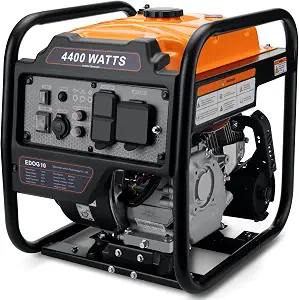
Power Equipment 4400 Watts Inverter Generator Gas Powered
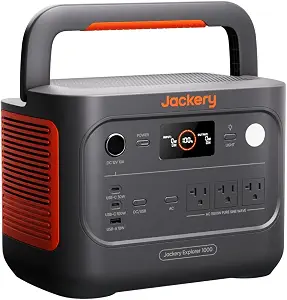
Jackery Explorer 1000 v2 Portable Power Station, 1024Wh LiFePO4 Battery
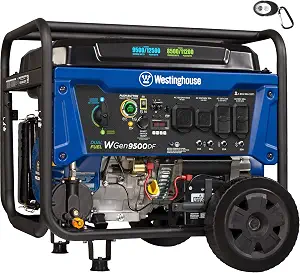
Westinghouse 12500 Watt Dual Fuel Home Backup Portable Generator, Remote Electric Start, Transfer Switch Ready, Gas and Propane Powered
Best Power Generator Buying Guide — Black Friday Deals 2026
A power generator shortlist should begin with the kind of backup you need, not the biggest number in a product title. These options span a gasoline inverter generator, a battery power station and a dual-fuel home backup generator, so their operating routines and output figures serve different plans. The Jackery is our Best Overall editorial choice for shoppers seeking a portable, rechargeable battery unit; the Power Equipment model is Best Budget, while the Westinghouse is Best for High-Output Backup. These labels compare only the featured options, not the broader market. During Black Friday, verify the exact model and configuration on the offer page before deciding: a compelling headline is useful only if the product fits your equipment and intended use.
Power Equipment 4400 Watts Inverter Generator Gas Powered
Check Price on Amazon
The Power Equipment 4400 Watts Inverter Generator is our Best Budget editorial pick, based on the provided lineup rather than a claim about current pricing. It runs on gasoline and is specified for 4400 peak watts and 3400 running watts. Keep peak and running output separate when planning: use the running figure as the sustained-output reference and check connected equipment’s requirements rather than selecting by the headline peak alone. This can make the model worth considering for shoppers who want a fuel-powered option for a defined set of devices and do not need the substantially larger output configuration described for the Westinghouse.
Its connection panel lists 2*120V AC ports, 1*12V DC port and 1*RV port. Those details offer a starting point for matching the generator to the plugs and power needs in your plan; confirm that each intended device can connect appropriately rather than assuming an outlet will suit it. The 2 gallon fuel tank, 56 pounds of weight and stated noise level of Under 72 dBA from 23FT away are also relevant to planning where it will be used and how it will be handled. Keep the noise qualification tied to its stated distance when comparing listings.
This model’s appeal is a defined gasoline setup with several listed outlet types and clearly stated peak and running output. Its tradeoffs to consider are equally practical: you will need to decide whether gasoline fits your operating routine, whether the tank specification suits your planning, and whether its weight works for the places you expect to move it. During Black Friday, check that the offer is for this exact model and verify the included configuration rather than assuming a product image or event label answers those questions. The Best Budget badge is an editorial distinction among these options; it does not establish a sale price, discount or market-wide value.
Key specs
| Power output | 4400 peak watts and 3400 running watts |
| Fuel | Gasoline |
| Outlets | 2*120V AC ports, 1*12V DC port, 1*RV port |
| Fuel tank | 2 gallon fuel tank |
| Noise level | Under 72 dBA from 23FT away |
| Weight | 56 pounds |
Jackery Explorer 1000 v2 Portable Power Station, 1024Wh LiFePO4 Battery
Check Price on Amazon
The Jackery Explorer 1000 v2 is our Best Overall pick among these three for a shopper whose priority is stored battery power rather than a fuel-powered generator. Its 1,024Wh capacity and 1,500W AC output give you two distinct figures to consider: capacity describes the stored energy, while output describes the stated AC power. The listed 3,000W surge peak is another figure to keep in view when checking a device’s requirements. None of these specifications, by itself, tells you how long a particular setup will run; that depends on what you connect and how it is used.
At 23.4 pounds, the unit’s weight is a useful part of a portability decision, especially if you expect to move it between storage and the place where you plan to use it. Its LFP battery and 10ms UPS switchover may also matter to shoppers who value those listed features. Think through which equipment you want to connect, its power needs, and whether a battery-based routine suits your plans. Avoid treating the surge figure as a promise that every appliance will work; compare the device requirements with the product’s stated output and the exact connection options shown in the listing.
Solar charging is listed as compatible only with Jackery solar panels, so do not assume another brand’s panels will work for that purpose. That limitation is especially important when a Black Friday offer bundles or describes charging accessories: confirm the exact items and compatibility before placing an order. The model’s defining choice is not simply its capacity, but whether you prefer a rechargeable battery station and can plan around its stated charging compatibility. For shoppers seeking that format, its combination of capacity, AC output, listed surge peak and UPS switchover makes it our Best Overall editorial selection from this group, not a claim of measured superiority.
Key specs
| Capacity | 1,024Wh capacity |
| AC output | 1,500W AC output |
| Surge peak | 3,000W surge peak |
| Battery | LFP battery |
| Weight | 23.4 pounds |
| UPS switchover | 10ms UPS switchover |
| Solar charging | compatible only with Jackery solar panels for solar charging |
Westinghouse 12500 Watt Dual Fuel Home Backup Portable Generator, Remote Electric Start, Transfer Switch Ready, Gas and Propane Powered
Check Price on Amazon
The Westinghouse 12500 Watt Dual Fuel Home Backup Portable Generator is our Best for High-Output Backup choice because its listed output figures are the largest of the featured fuel-powered options. On gasoline, it specifies 9500 Running Watts and 12500 Peak Watts; on propane, it specifies 8500 Running Watts and 11200 Peak Watts. Choose a fuel plan first, then use the corresponding figures when considering your equipment. The distinction between running and peak output matters: do not treat the peak number as the sustained figure or assume an appliance will suit the generator without checking its own requirements.
The model offers remote start with an included key fob, electric start and recoil start. Its stated runtime is Up to 12 Hours of Run Time, and its fuel tank volume is 6.6 gallons. Treat the runtime wording as qualified rather than a guarantee for every load or operating condition. For a home backup plan, write down the equipment you actually want to power and check its requirements against the applicable fuel-mode output and connection panel. This gives the high-output specification a practical context instead of treating a large headline figure as a complete backup plan.
The outlets listed are two GFCI 120V 5–20R 20A standard household receptacles, one transfer switch ready 120V L14-30R 30A outlet, and one RV ready 120/240V 14–50R 50A outlet. Match those connections to your intended setup, and get qualified guidance where your home connection plan requires it. The heavy-duty 457cc Westinghouse 4-Stroke OHV engine is described with a long-lasting cast iron sleeve, automatic low oil shutdown and digital hour meter. During Black Friday, check the exact model and fuel configuration in the offer; our label identifies its stated output focus, not a test result or promise that it suits every home.
Key specs
| Power output | 9500 Running Watts and 12500 Peak Watts (Gasoline); 8500 Running Watts, 11200 Peak Watts (Propane) |
| Starting | Remote Start with Included Key Fob, Electric and Recoil Start |
| Runtime | Up to 12 Hours of Run Time |
| Fuel tank | Tank Volume 6.6 gallons |
| Outlets | Two GFCI 120V 5–20R 20A Standard Household Receptacle, One Transfer Switch Ready 120V L14-30R 30A, and One RV Ready 120/240V 14–50R 50A |
| Engine | Heavy Duty 457cc Westinghouse 4-Stroke OHV Engine Featuring a Long-Lasting Cast Iron Sleeve with Automatic Low Oil Shutdown and Digital Hour Meter |
Start with the equipment that matters most
Before comparing power generator listings, make a short list of what you want backup power to support. Separate essential equipment from items that would simply be convenient, then note each device’s power requirements and connection needs. This helps prevent a high peak figure from dominating the decision when the running output or outlet arrangement is the more relevant constraint. It also clarifies whether you need a few connections for a modest plan or a broader home backup setup. The right shortlist is the one that addresses your intended loads, not every possible device you might own.
Next, compare that list with the specifications that are actually provided. The Power Equipment unit states 3400 running watts and 4400 peak watts, while the Westinghouse gives separate gasoline and propane output figures. The Jackery lists AC output, surge peak and battery capacity. These are not interchangeable ways of describing capability: compare the relevant output with equipment requirements, and treat capacity as stored energy rather than an output rating. A listing that does not answer a compatibility question should prompt further checking, not an assumption.
Black Friday can make it tempting to begin with an event badge or product headline. Instead, use the offer to revisit your shortlist: does the exact model fit the equipment, operating routine and connections you had in mind? If the answer depends on an unverified detail, pause and confirm it on the listing. That simple sequence—needs first, specifications second, offer third—keeps a promotion from becoming a substitute for choosing a suitable configuration.
Pick a power routine you can actually manage
A power station and a fuel-powered generator involve different energy routines. The Jackery stores energy in an LFP battery and lists solar charging compatibility only with Jackery solar panels. The Power Equipment generator uses gasoline. The Westinghouse supports gasoline and propane, with separate output figures for each fuel. Those details should shape your shortlist before a shopper weighs optional features: choose the source and replenishment approach that fit the way you expect to use the unit.
For the battery station, consider whether its stated capacity and AC output fit your intended devices, then think through how you would recharge it. If solar charging is part of the plan, the supplied compatibility limit is decisive: the listing says solar charging is compatible only with Jackery solar panels. For a gasoline model, decide whether gasoline is an acceptable part of your routine and how its listed tank volume fits your planning. For the dual-fuel model, compare the two fuel modes using their separate running and peak specifications rather than assuming they provide identical output.
Black Friday descriptions may emphasize a feature, bundle or fuel choice, but verify the exact offer details before relying on them. Do not infer that an accessory is included or that a charging method is supported unless the specific listing confirms it. The goal is not to choose the most elaborate energy arrangement; it is to choose one you can plan for and use as intended. A clear replenishment plan can be more useful than an attractive headline attached to a format that does not match your routine.
Treat outlets as part of the backup plan
Output is only one part of whether a unit fits your equipment. The connection panel determines what you can plug in directly and which setup questions still need answers. The Power Equipment model lists 2*120V AC ports, 1*12V DC port and 1*RV port. The Westinghouse lists household receptacles, a transfer switch ready outlet and an RV ready outlet with their stated ratings. These descriptions give a more useful starting point than a broad claim that a generator is suitable for home or recreational use.
Write down the plug or connection needs for each intended device, then compare them with the exact outlet descriptions. Do not assume that two outlets with similar voltage are interchangeable, or that an outlet label resolves every setup requirement. For the Westinghouse’s transfer switch ready connection, shoppers considering a home connection should verify the complete arrangement with appropriate qualified guidance. The product facts identify the outlet; they do not establish that every home installation or connection plan is suitable.
The Jackery facts provided here specify AC output but do not enumerate its ports, so check its exact listing for connection details before relying on it for particular devices. This is a useful example of why missing information should lead to verification, not a guess. During Black Friday, examine the exact model and variant and make sure the listed connection details correspond to the product in the offer. The outlet check belongs alongside the load check, not after an order has already been placed.
Consider where the unit will be handled
Portability is about the path from storage to use, not just a product category. The Jackery is listed at 23.4 pounds, and the Power Equipment generator at 56 pounds. Those figures can help you picture handling, but they do not by themselves establish which unit will be easiest for every shopper or location. Consider who will move the equipment, where it will be kept, and how often you expect to reposition it. A specification becomes useful when it is compared with your own space and handling needs.
Placement matters for fuel-powered equipment too. The Power Equipment model gives a noise specification of Under 72 dBA from 23FT away; retain that distance qualification when deciding whether the stated figure is relevant to your intended placement. The Westinghouse lists remote, electric and recoil starting, so shoppers can weigh the listed starting choices as part of their operating plan. Neither a starting feature nor a noise figure settles the broader question of where a unit should be used; consult the product instructions and applicable guidance for safe placement.
A battery power station may suit a different handling and operating plan than a gasoline or dual-fuel generator, but the decision should follow the actual features and your needs rather than a blanket assumption. During Black Friday, confirm the exact model and details behind any portability or starting claim in the offer. Think about the whole sequence: moving the unit, placing it appropriately, connecting equipment and managing the chosen energy source. That makes location a practical selection factor rather than an afterthought.
Read the offer as a final fit check
Once the shortlist is built, compare the exact offer rather than the event headline. Confirm that the product name and model match the option you selected, and check the stated configuration, fuel mode and included items on the listing. This guide does not establish current prices, discounts, inventory or seller terms, so shoppers should assess those details directly where the offer appears. A Black Friday label is not enough to determine whether a particular listing matches the needs that led you to that model.
Keep a simple comparison beside the offer: required output, desired connections, energy source, handling considerations and any feature you consider essential. For the Jackery, verify the exact battery station and remember its stated Jackery-panel-only solar charging compatibility. For the Power Equipment generator, check its gasoline setup and the stated outlet and output information. For the Westinghouse, make sure you are considering the intended fuel mode and the corresponding output figures. These checks help distinguish a genuinely relevant option from one that merely sounds close.
If a key detail is unclear, resolve it before buying rather than filling the gap with assumptions. Look at the exact listing for the variant and product information, and check any applicable terms there. Black Friday shopping can reward preparation: a shortlist made in advance gives you a consistent way to assess a changing offer without relying on urgency. The final question is straightforward: does this specific product, in this specific configuration, meet the plan you set? If not, a different listed option—or no purchase—may be the more sensible decision.
Use a backup plan that stays specific
A useful backup plan is concrete enough to check. Name the equipment, identify its power and connection requirements, and decide which items take priority if the whole list cannot be served at once. Then compare the plan with the product’s stated output and outlets. For a battery station, also account for its stated capacity and how you intend to replenish it. For a fuel-powered model, choose the relevant fuel details and plan around the specifications supplied for that configuration. This approach keeps the decision anchored to actual needs.
Avoid assuming that one specification answers every practical question. Running watts, peak watts, surge peak, battery capacity, runtime, tank volume, weight, outlet types and starting methods describe different aspects of the options. Use only the measures relevant to your plan, and seek clarification when a device or connection requirement is not clear. The Westinghouse runtime is stated as Up to 12 Hours of Run Time, for example; retain that qualification instead of treating it as a fixed duration for any combination of equipment.
Black Friday can be a convenient moment to revisit a prepared plan, but it should not change what the plan requires. Confirm the exact offer and configuration, then decide whether the listed features justify choosing that model for your situation. If the fit is uncertain, continue comparing rather than turning a general product label into a guarantee. A carefully defined use case makes the eventual choice clearer, whether you favor the Jackery’s battery format, the gasoline inverter generator or the dual-fuel home backup option.
Make your Black Friday choice
These power generator options serve different priorities: the Jackery is a battery power station, the Power Equipment model is a gasoline inverter generator, and the Westinghouse is a dual-fuel, high-output portable generator. Begin with your equipment list, then check output, connections, energy routine and handling needs before weighing extra features. Our Best Overall, Best Budget and Best for High-Output Backup labels are editorial choices among these products, not guarantees of fit. As Black Friday offers appear, verify the exact model and configuration rather than relying on an event headline. Choose only when the listing and your backup plan agree.