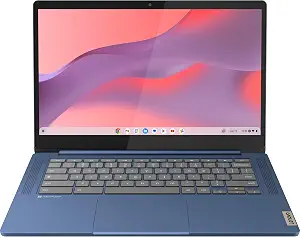
Lenovo Flagship Chromebook, 14'' FHD Touchscreen
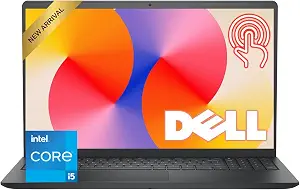
Dell 15.6" FHD Touchscreen Laptop
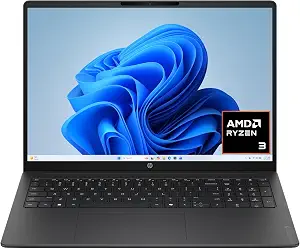
HP OmniBook 3 16 inch Laptop PC
Best Touch Screen Laptop Buying Guide — Black Friday Deals 2026
A touch screen laptop can make short interactions feel more direct, but the right choice still depends on the whole configuration: operating system, display, memory, storage and the way you plan to use it. This shortlist spans Chrome OS and Windows 11 Home, with different screen sizes and hardware combinations. For Black Friday, treat a tempting offer as a reason to check the details, not as proof that a model suits you. Start by identifying what you need, then compare the exact product and configuration attached to each listing.
Lenovo Flagship Chromebook, 14'' FHD Touchscreen
Best Budget is the editorial label for the Lenovo in this selection; it does not indicate a verified price, discount or lowest-cost offer. Its 14-inch Full HD touchscreen gives shoppers a defined screen size and resolution to compare with their workspace. Chrome OS is the listed operating system, so consider whether that environment matches the way you expect to use the laptop before focusing on a Black Friday offer. The screen and operating system make this a distinct option from the Windows models here, and the choice is ultimately about fit rather than a price claim.
The Lenovo uses a MediaTek Kompanio 520 octa-core processor, specified as 4x A73 at 2.0GHz plus 4x A53 at 2.0GHz, alongside 4GB RAM and 64GB eMMC storage. Read those details together when deciding whether the configuration aligns with your intended applications and storage needs. They describe the listed hardware, but do not establish performance for tasks that are not specified. If you primarily want a Chrome OS laptop and the listed memory and storage make sense for your plans, this model offers a clear configuration to investigate. If those capacities are a concern, compare them carefully with the needs of your own files and applications.
Wi-Fi 6, 11ax 2×2 and Bluetooth 5.1 are listed, along with battery life of 13.5 hours. Keep the battery figure in perspective: it is a stated specification, not a guarantee for every setting or pattern of use. These details can help you compare the listing with your daily routine, but they should not take priority over operating-system fit and the memory and storage choices. As Black Friday approaches, check that the offer is for this exact Lenovo configuration rather than relying on a general product description. Its Best Budget label is a way to organize this shortlist, not evidence of a sale or a price advantage.
Key specs
| Display | 14" Full HD Touchscreen |
| Processor | MediaTek Kompanio 520 processor (Octa-Core, 4x A73 @2.0GHz + 4x A53 @2.0GHz). |
| Memory and storage | 4GB RAM + 64GB eMMC |
| Operating system | Google Chrome OS |
| Wireless | Wi-Fi 6, 11ax 2×2 + Bluetooth 5.1 combo |
| Battery life | 13.5 hours |
Dell 15.6" FHD Touchscreen Laptop
Best Overall is an editorial choice for this group, not a claim of measured superiority. The Dell pairs a 15.6-inch Full HD touchscreen with an IPS panel, anti-glare finish and 120Hz refresh rate. Those details give shoppers a substantial set of display characteristics to weigh: the screen size, resolution, panel type, surface treatment and refresh rate are all specified. If you expect to move between documents, browser windows and other on-screen material, consider whether that listed screen format fits your desk and viewing habits. The specifications do not establish how the panel will look in your room, so use your own preferences when judging the offer.
Its 13th Gen Intel Core i5-1334U has 10 cores and speeds up to 4.60GHz; the configuration also lists 8GB DDR4 RAM and a 512GB SSD. These are useful facts to compare against the applications and file capacity you expect to need, rather than a guarantee of how a particular workload will perform. Windows 11 Home may make this listing a natural candidate if that is the operating system you already use or want. A listed FHD 1080p webcam adds a concrete point to consider if video calls are part of your routine. Black Friday shoppers should verify that the offer actually names this configuration before comparing it with other options.
The listing gives battery life as up to 9 hours. Treat that as a stated figure for comparison, not a promise about your personal usage conditions. The Dell is a sensible shortlist starting point when you want a Windows laptop with a larger specified touchscreen and a combination of processor, memory and SSD details you can check against your needs. Its Best Overall label simply marks its role among these featured choices. Before deciding during Black Friday, confirm the exact model and configuration, then ask whether its display and listed hardware—not the season or headline—answer your priorities.
Key specs
| Processor | 13th Gen Intel Core i5-1334U processor with 10 cores and speeds up to 4.60GHz |
| Memory | 8GB DDR4 RAM |
| Storage | 512GB SSD |
| Display | 15.6-inch Full HD touchscreen with a 120Hz refresh rate, IPS panel, and anti-glare finish |
| Operating system | Windows 11 Home |
| Webcam | FHD 1080p webcam |
| Battery life | up to 9 hours of battery life |
HP OmniBook 3 16 inch Laptop PC
Check Price on Amazon
Best for a Larger Touch Workspace is the label assigned to the HP because its display is listed as 16 inches diagonal. The screen is specified as 2K (1920 x 1200), touch, IPS, micro-edge and anti-glare, with 300 nits. These particulars offer several useful comparison points if screen area and display characteristics are central to your decision. Think about where the laptop will sit and how much room you want on screen; the listing cannot determine whether its size suits your desk or travel routine. The label identifies the HP’s place among these products, not a tested claim that it is best for every larger-screen shopper.
The configuration lists an AMD Ryzen 3 7320U processor with up to 4.1 GHz max boost clock, 4 MB L3 cache, 4 cores and 8 threads. It also has 8 GB LPDDR5-5500 MT/s onboard memory, a 512 GB PCIe NVMe M.2 SSD and AMD Radeon 610M Graphics. Use those details to check the configuration against your applications and storage plans; they do not establish how every workload will run. Windows 11 Home is the operating system, which makes software preference an important early filter when comparing this laptop with the Lenovo Chromebook.
For calls and connectivity, the listing specifies a 1080p FHD camera with HDR auto switch, temporal noise reduction and integrated dual array digital microphones. It also lists MediaTek Wi-Fi 6 MT7920 (2×2) and Bluetooth 5.4. Those are specification details to compare with your own priorities, not a substitute for checking the exact listing. No battery-life figure is provided here, so do not use battery duration as a comparison advantage based on this information. During Black Friday, verify the offer’s model and configuration and decide whether the larger touch workspace is worth prioritizing for your setup.
Key specs
| Display | 16" diagonal, 2K (1920 x 1200), touch, IPS, micro-edge, anti-glare, 300 nits |
| Processor | AMD Ryzen 3 7320U (up to 4.1 GHz max boost clock, 4 MB L3 cache, 4 cores, 8 threads) |
| Memory | 8 GB LPDDR5-5500 MT/s (onboard) |
| Storage | 512 GB PCIe NVMe M.2 SSD |
| Graphics | AMD Radeon 610M Graphics |
| Wireless | MediaTek Wi-Fi 6 MT7920 (2×2) and Bluetooth 5.4 wireless card |
| Camera | 1080p FHD camera with HDR auto switch, temporal noise reduction and integrated dual array digital microphones |
| Operating system | Windows 11 Home |
First decide what touch should change
Before comparing configurations, name the moments when you expect to touch the display. Perhaps you want to select items directly, move through a page by touch or make quick on-screen choices while using the laptop. If those interactions are occasional, a touchscreen may be a useful extra rather than the main reason to choose a particular model. If you expect to use touch often, give the display’s size and format more attention. The product details here identify touch displays, but do not describe hinge designs, pen support or other interaction features, so do not assume those capabilities from the word “touchscreen.”
Next, picture the physical setting. The Lenovo’s 14-inch screen, Dell’s 15.6-inch screen and HP’s 16-inch diagonal display provide distinct size references. Consider where the laptop will usually rest and whether you value a more compact screen area or more room in front of you. These specifications alone cannot tell you how comfortable a device will feel in your space. On Black Friday, write down the screen size and display details you actually want before opening offers. That simple filter helps separate a relevant listing from one that merely has a prominent touchscreen description.
Let the software environment narrow the field
Operating system is an essential-fit decision, not a minor detail to leave until checkout. The Lenovo is listed with Google Chrome OS; the Dell and HP list Windows 11 Home. Think about the software environment you expect to use and whether you have a preference based on your own routine. The available specifications do not establish compatibility with any particular application, so verify requirements that matter to you rather than assuming one system will handle them.
Once that choice is clear, compare the remaining models on their own terms. A shopper seeking Chrome OS can focus on the Lenovo’s stated display, processor, memory, storage and wireless details. A Windows 11 Home shopper can weigh the Dell and HP configurations, including their different screen sizes and listed hardware. This order prevents an attractive Black Friday headline from distracting you from a basic mismatch. If you are uncertain, identify the applications and tasks that are non-negotiable, then check their requirements before treating a listing as a candidate.
Use the component list to test essential fit
Processor, memory and storage are most useful when considered as a set. The Lenovo lists a MediaTek Kompanio 520 with 4GB RAM and 64GB eMMC. The Dell lists a 13th Gen Intel Core i5-1334U, 8GB DDR4 RAM and a 512GB SSD. The HP lists an AMD Ryzen 3 7320U, 8 GB LPDDR5-5500 MT/s onboard memory and a 512 GB PCIe NVMe M.2 SSD. These facts let you distinguish the configurations, but they do not provide a universal performance ranking or tell you how much space your own files will require.
Start with your actual applications and the files you expect to keep locally. Then compare the listed memory and storage with those needs, checking any requirements you consider essential. A model’s processor name or storage type is not, by itself, proof that it is the right choice for a particular task. This matters especially when Black Friday listings place unlike configurations side by side. Check each product’s exact specifications, and do not substitute details from a similarly named laptop. If one key requirement is unclear, resolve that before weighing convenience features.
Separate useful extras from must-haves
After essential fit, consider details that may improve how well a configuration matches your routine. The Dell specifies a 120Hz refresh rate, IPS panel and anti-glare finish. The HP lists an IPS, anti-glare display and 300 nits, as well as a camera with HDR auto switch, temporal noise reduction and integrated dual array digital microphones. The Lenovo lists Wi-Fi 6, 11ax 2×2 and Bluetooth 5.1; the Dell and HP also provide their own wireless specifications. These particulars can help you decide what to investigate, but they do not tell you how a feature will feel in your setting.
Camera details may matter if calls are frequent; wireless specifications may matter when checking your network and accessory needs. Treat each as a useful extra only if it connects to a real priority. Battery figures also need careful reading: the Lenovo lists 13.5 hours, while the Dell says up to 9 hours. Those claims are not a guarantee of what you will experience. The HP facts here provide no battery-life figure. In Black Friday comparisons, avoid filling gaps with assumptions; compare only stated details and verify any requirement that the provided specifications do not settle.
Verify the configuration before comparing the offer
A product name can be less informative than the configuration attached to a particular offer. Before deciding, confirm the exact model and check that the screen, operating system, processor, memory and storage match the version you intended to consider. This is especially important when listings use similar names or present multiple configurations. The facts in this guide describe the named products, not every variant that might appear in a shopping search.
For a Black Friday comparison, keep your checklist beside the offer and match each important item directly. Confirm the screen size and listed display features, then check the operating system and hardware configuration. If a required detail is not clear, do not assume it is included; seek confirmation in the listing before making your decision. Compare the exact offer and variant rather than a broad product family or seasonal message. That approach keeps the decision tied to verifiable details and makes it easier to see whether a product still fits when the headline is set aside.
Make your Black Friday choice
The right touch screen laptop is the one whose operating system, display and listed hardware meet your needs without relying on assumptions. The Lenovo, Dell and HP each present a different configuration, so begin with essential fit, then weigh useful extras such as display details, camera information and wireless specifications. Treat battery-life figures with their stated qualifications and verify anything the listing does not establish. For Black Friday, check the exact model and variant before comparing an offer. The editorial labels can help organize this shortlist, but your own requirements should make the final decision.